Austria Solo Female Travel Guide 2026: Safety, Itinerary, Budget Tips, Transport, and Smart Planning Advice
Austria Solo Female Travel Guide 2026: Safety Tips, Smart Planning, Best Cities, and Practical Itineraries
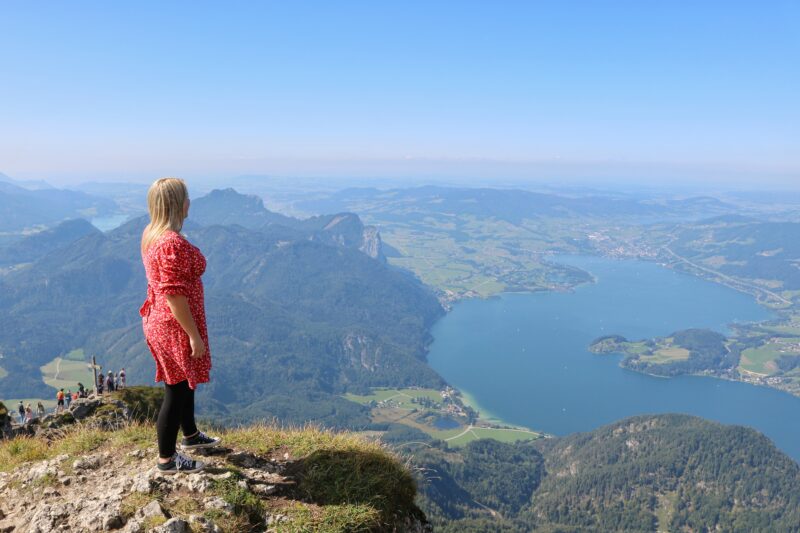
Table of Contents
- Why Austria works so well for solo female travel
- Is Austria safe for solo female travelers?
- Best places to visit in Austria alone
- Smart planning tips before you go
- Getting around Austria with confidence
- Where to stay and what to book
- Austria budget expectations
- Mistakes to avoid
- Suggested Austria itineraries
- Experience-based advice for first-time solo travelers
- Frequently asked questions
- Final thoughts
Austria is one of those destinations that feels reassuring almost immediately. For solo female travelers, that matters more than people sometimes admit. A place can be beautiful, famous, and full of landmarks, but if it feels stressful to navigate, exhausting to plan, or difficult to understand on the ground, the trip becomes heavier than it needs to be. Austria has the opposite effect. It tends to feel structured, orderly, scenic, and manageable.
That does not mean you should treat it casually. No destination is completely risk-free, and solo travel always works best when you combine excitement with good judgment. But Austria is a very strong option for women who want a first solo Europe trip, a calm city-and-nature itinerary, or a destination where independence feels realistic instead of intimidating.
This guide is built for real travelers, not fantasy itineraries. That means we will go beyond generic advice and cover what actually matters: how safe Austria feels in practice, which cities make the most sense for solo travel, how to handle transport, how to avoid common mistakes, and how to plan a trip that feels rewarding rather than rushed.
Why Austria Works So Well for Solo Female Travel
Austria’s biggest strength is not just that it is pretty. Plenty of countries are pretty. The real advantage is that Austria combines beauty with travel efficiency. You get elegant cities, dramatic alpine landscapes, lakes, historic old towns, café culture, and public transport that makes moving around feel less chaotic. That combination is powerful for solo travelers because it reduces friction.
In practical terms, Austria suits solo female travel for several reasons. First, the country is generally clean, organized, and easy to read as a destination. Streets, stations, and public spaces often feel structured rather than overwhelming. Second, it has a strong rail network, which makes intercity travel much less stressful than trying to decode confusing bus systems in a completely unfamiliar country. Third, English is widely understood in major tourist areas, hotels, restaurants, and transport settings. You are not completely dependent on language fluency just to move through the day.
Another reason Austria works so well is pace. Some destinations are wonderful but exhausting because they demand constant alertness. Others feel too quiet or too limited after a day or two. Austria often lands in a comfortable middle ground. Vienna gives you city sophistication without the same level of aggression some bigger capitals can have. Salzburg offers compact beauty and walkability. Innsbruck gives you mountain drama without requiring a hardcore expedition mindset. Even when Austria is busy, it often feels functional rather than chaotic.
That makes a huge difference if you are traveling alone. The less mental energy you spend troubleshooting basic logistics, the more energy you have to actually enjoy the trip.
- Reliable public transport between major destinations
- Clean, organized city environments
- Strong mix of culture, scenery, and food
- Easy day-trip and multi-city planning
- Generally comfortable atmosphere for independent exploration
Is Austria Safe for Solo Female Travelers?
Overall, Austria is widely considered one of the safer countries in Europe for solo female travelers. That reputation exists for a reason. Violent crime affecting tourists is relatively low, public transport is heavily used and usually dependable, and the country does not generally create the same level of personal-security anxiety that some travelers feel in more hectic destinations.
But good travel advice should never stop at “yes, it’s safe.” What matters is how to interpret safety realistically.
Austria is safer than many destinations, but it is not a place where common sense becomes unnecessary. The most likely issues for travelers are still the familiar ones: petty theft in crowded areas, overconfidence late at night, poor judgment around alcohol, distraction scams in busy city zones, and avoidable mistakes during mountain activities. In other words, most of the real risks are manageable if you behave like a thoughtful traveler instead of assuming the country’s reputation protects you from bad situations.
What safety feels like in practice
In cities such as Vienna and Salzburg, many solo travelers feel comfortable using public transport, dining alone, walking through central districts, and exploring independently. Train stations are generally efficient, city centers are navigable, and tourist infrastructure is strong. In mountain areas, the tone shifts slightly. The people-risk may still feel low, but nature-risk becomes more relevant. Austria’s outdoor beauty is part of the appeal, yet alpine environments require more respect than some first-time visitors expect.
- Pickpocketing in crowded tourist zones and transport hubs
- Drink tampering or overtrusting strangers in nightlife settings
- Getting complacent because the country feels orderly
- Mountain weather changes, route misjudgment, or solo hiking beyond your ability
- Winter driving hazards if you rent a car without preparation
Night travel and evenings out
Austria is one of the better European choices if you are worried about moving around after dark, especially in the main cities. That said, the rule is not “everything is fine at night.” The better rule is “night travel is often manageable when you stay deliberate.” Stick to well-lit areas, avoid wandering with low phone battery and no transport plan, and do not let one or two drinks turn your good instincts off.
One of the most useful solo-travel habits is to remove avoidable vulnerability. That means knowing how you are getting back, keeping your accommodation address saved, and not depending on luck when it is late.
Best Places to Visit in Austria Alone
Austria is not huge, which is helpful. You can build a satisfying trip without constantly relocating. The best solo itinerary is usually not the one with the most stops. It is the one with the right rhythm.
Vienna
Vienna is the strongest all-round choice for many solo female travelers. It has beauty, culture, walkable districts, excellent transport, and enough activity that being alone never feels awkward. You can spend the morning in a museum, pause in a café, take a tram across the city, explore imperial architecture, and still have a calm evening meal without feeling like the city is pushing you too hard.
Vienna also works well because it gives solo travelers options. You can keep your days full or take them slowly. You can do classic sightseeing or build a more atmosphere-driven trip around cafés, markets, neighborhoods, and music culture. For a first Austria trip, Vienna is often the safest and smartest anchor.
Salzburg
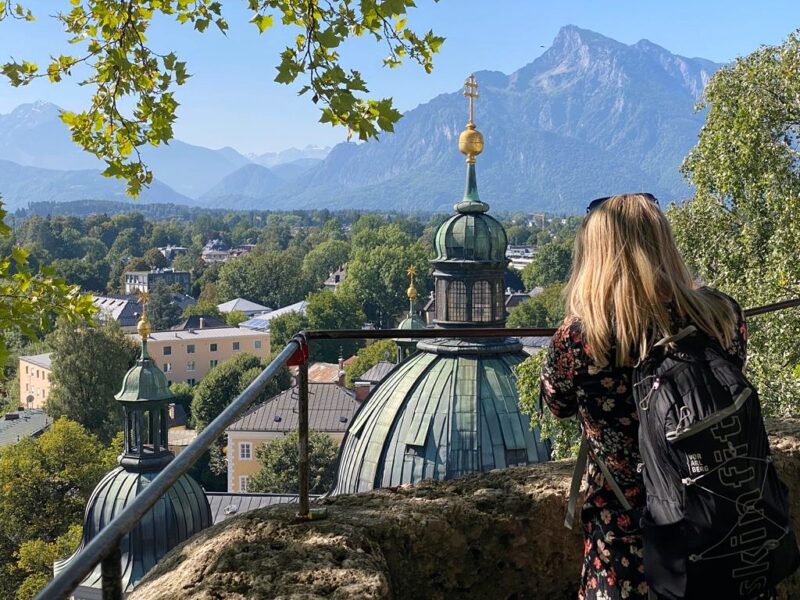
Salzburg is one of Austria’s most visually satisfying destinations. It is more compact than Vienna, easier to cover in a shorter time, and ideal if you like baroque architecture, mountain backdrops, and a city that feels polished but manageable. It is especially good for solo travelers who want something scenic and historic without the scale of a capital city.
Because Salzburg is compact, it can also reduce the “traveling alone fatigue” that sometimes happens when every day requires major logistical effort. You can walk a lot of it, understand the layout quickly, and focus more on enjoying the experience.
Innsbruck
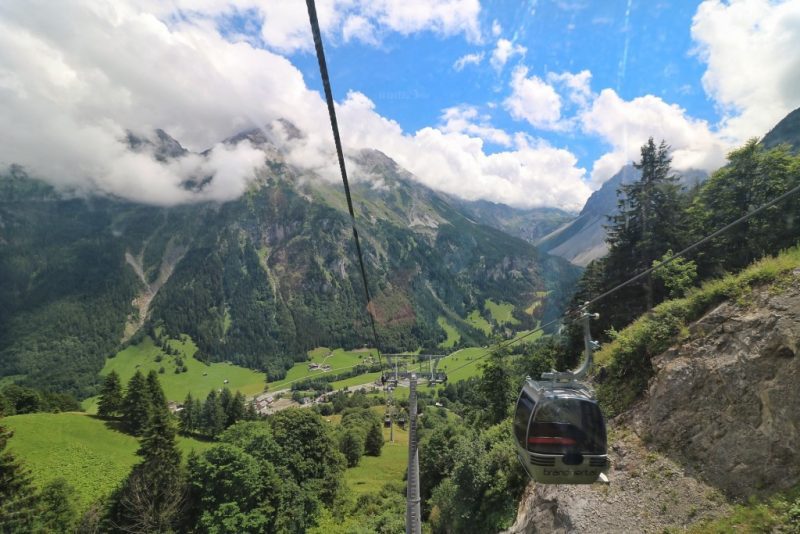
If you love mountain settings, Innsbruck deserves attention. It gives you urban convenience with immediate access to alpine scenery. It is ideal for travelers who want cable cars, panoramic views, hiking possibilities, and a city base that still feels comfortable to manage alone. The key here is to match the outdoor activities to your actual ability, not to the version of yourself you imagine while planning.
Graz
Graz often receives less attention than Vienna or Salzburg, which can make it appealing if you want somewhere with fewer first-time-tourist crowds. It blends old architecture with a more local-feeling pace. If you are the kind of traveler who prefers a less obvious route but still wants a functioning city with culture and walkability, Graz can be a strong choice.
Salzkammergut and lake regions
If your Austria dream is more about lakes, villages, viewpoints, and scenic calm than major cities, Austria’s lake districts deserve serious consideration. The landscapes are stunning, and these areas can be incredibly rewarding. But they require a slightly more careful planning mindset, especially if you are depending fully on public transport or traveling in shoulder season when schedules may be thinner.
For many solo female travelers, the most balanced approach is a city-plus-scenery trip: Vienna or Salzburg for structure, then a lake or mountain region for contrast.
Smart Planning Tips Before You Go
The quality of an Austria trip often comes down to planning decisions that seem small at first. Austria is easy compared with many destinations, but smart preparation still makes the experience more polished, more confident, and less wasteful.
Choose the right season for your travel style
Austria is not one single experience year-round. Summer can be excellent for hiking, lakes, and city wandering, but popular areas become busier. Winter is magical for Christmas markets, alpine scenery, and ski culture, yet it also introduces weather constraints and higher costs in some mountain regions. Spring and autumn can offer a calmer balance, though you may encounter shorter days or more variable weather.
Do not choose a season based only on aesthetics. Ask what kind of trip you actually want. If you want independent sightseeing and pleasant walking conditions, late spring to early autumn is often easier. If you want snow scenes and festive atmosphere, winter may be worth the added complexity.
Do not overpack your route
One of the most common mistakes in Austria trip planning is assuming that because the country is compact, you should squeeze in everything. But scenic travel is not only about how many places you tick off. It is about how much time you have to feel a place. Two cities plus one scenic area is often more satisfying than five stops in eight days.
Solo travel becomes better when your itinerary leaves space for decision-making. You may want a slower morning, a weather-based change, or an extra café stop because the place feels good. Overpacked itineraries remove that freedom.
Book transport and stays with your arrival times in mind
A very practical solo-travel habit is matching bookings properly. If your train arrives late, do not book an accommodation that requires a complicated connection in a quiet outer area unless you are certain you can handle it smoothly. If your flight lands early, choose a city where you can store bags easily and start the day without frustration.
Getting Around Austria With Confidence
Austria’s transport system is one of the biggest reasons it works so well for independent travel. Trains are usually the backbone of a smart itinerary. They connect major cities efficiently, reduce the need for complicated road planning, and make it easier to enjoy scenery along the way.
Trains
For most solo travelers, trains are the easiest and most comfortable way to move between Vienna, Salzburg, Innsbruck, Graz, and other major destinations. They are generally reliable, readable, and less stressful than trying to organize car logistics if you do not truly need one. For first-time visitors especially, train travel often gives the best balance of independence and simplicity.
Still, do not romanticize it too much. Trains work best when you stay organized. Know your platform, keep your valuables zipped, avoid letting heavy luggage turn station changes into chaos, and save your tickets offline in case signal becomes annoying when you least want that problem.
Local transport in cities
In the major cities, trams, buses, and metro connections make daily movement simple. Vienna stands out here. It is one of those cities where public transport does not just exist; it actively improves your trip. Once you understand the basics, the city becomes much easier to enjoy because you are not constantly negotiating distance on foot.
Taxis and ride-hailing
Use licensed options, especially late at night or when arriving with luggage. Even in safer countries, a solo traveler should always prefer traceable, straightforward transport decisions over improvising with uncertain rides.
Should you rent a car?
A car is not necessary for a classic Austria trip focused on major cities. In fact, it may create more hassle than value. But if your trip is centered around remote scenic regions, lake districts, or specific rural stays, it can help. The question is not whether you can rent one. The question is whether it will genuinely improve your trip.
In winter, be extra careful. Mountain roads, changing weather, and regional driving requirements make winter self-drive trips more serious than some travelers assume. If you are not comfortable with that environment, do not force it just because a scenic road trip looks good on social media.
Where to Stay and What to Book
Accommodation choice has an outsized effect on solo trips. The wrong hotel or hostel can drain your energy. The right one can make you feel grounded and secure.
Best booking priorities for solo female travelers
- Central or well-connected location
- Strong recent reviews, especially from solo travelers
- Safe-feeling arrival process
- Reliable check-in communication
- Good transport access, especially if arriving early or late
Do not let price alone decide. A slightly cheaper place far outside the center may cost you more in time, stress, and transport complexity. When traveling solo, convenience has real value.
Hotels vs hostels
Austria can work for both styles. If you want privacy, predictability, and calmer evenings, hotels are the easy choice. If you want affordability and occasional social contact, hostels can work well too, especially in major cities. The important thing is not choosing the cheapest option blindly. Read the reviews for noise, cleanliness, locker reliability, atmosphere, and location. A hostel can be social and practical. It can also be chaotic and draining. Reviews usually reveal the difference.
Austria Budget Expectations
Austria is not the cheapest country in Europe, but it also does not have to be a luxury-only destination. The main thing is to avoid planning based on fantasy bargain assumptions. If you try to force Austria into an ultra-cheap style without strategy, you usually end up trading away comfort and convenience in ways that hurt the trip.
| Category | Budget Style | Mid-Range Style | Comfort-Focused Style |
|---|---|---|---|
| Accommodation | Hostels, simple guesthouses, early-booked rooms | Well-rated central hotels or boutique stays | Premium hotels with excellent location and amenities |
| Food | Bakery breakfasts, simple lunches, selective restaurant meals | Mix of cafés, local restaurants, and occasional splurges | Frequent restaurant dining and iconic food stops |
| Transport | Mostly trains and city transport | Trains plus occasional taxis for convenience | Flexible use of taxis, premium train bookings, or car rental |
| Activities | Walking, viewpoints, selected museums | Balanced sightseeing with some paid attractions | More tours, premium experiences, scenic add-ons |
The smartest budget move in Austria is not cutting everything to the bone. It is choosing your splurges carefully. Maybe that means spending more on a well-located room but keeping food casual on some days. Maybe it means taking trains instead of renting a car. Maybe it means limiting one high-cost mountain excursion so the rest of the trip stays comfortable.
Austria rewards travelers who budget strategically, not just aggressively.
Mistakes to Avoid
1. Assuming “safe country” means “no need to be careful”
This is one of the easiest mindset traps. A calm destination can lower your guard. Keep using the same smart solo-travel habits you would anywhere else.
2. Underestimating mountain conditions
Austria’s alpine beauty can make outdoor activities look deceptively accessible. Easy-looking photos do not tell you about route grade, sudden weather, or physical fatigue. Respect the environment.
3. Staying too far out to save money
Cheap accommodation in a bad location is often false economy for solo travelers. Pay attention to arrival ease, evening comfort, and transit access.
4. Trying to see too much too quickly
Austria is more enjoyable when you leave space for atmosphere. Rushing through it turns a graceful destination into a checklist.
5. Treating every town as interchangeable
Vienna, Salzburg, Innsbruck, Graz, and the scenic regions all deliver different moods. Choose places that match your travel style instead of selecting stops only because they appear on everyone else’s list.
The best trip is not the one with the most impressive route on paper. It is the one where you feel confident, safe, and present enough to enjoy where you actually are.
Suggested Austria Itineraries
4-Day Austria Solo Trip
Best for: first-timers who want a short but polished trip.
- Day 1: Arrive in Vienna, settle in, light city walk, relaxed dinner
- Day 2: Vienna museums, central sights, café culture, evening stroll
- Day 3: Train to Salzburg, old town exploration, scenic viewpoints
- Day 4: Salzburg morning, optional fortress or gardens, depart
7-Day Austria Solo Trip
Best for: travelers who want cities plus scenery.
- Days 1–3: Vienna as your main city base
- Days 4–5: Salzburg for compact beauty and slower rhythm
- Days 6–7: Innsbruck or a nearby scenic alpine area
10-Day Austria Solo Trip
Best for: travelers who want depth without over-rushing.
- Days 1–4: Vienna with room for neighborhoods and major sights
- Days 5–6: Salzburg plus a scenic day trip
- Days 7–8: Innsbruck or lake-region stay
- Days 9–10: Flexible scenic extension or return to Vienna
The key is not copying these exactly. The key is noticing the principle behind them: do not build a route that is more ambitious than the kind of energy you actually travel with.
Experience-Based Advice for First-Time Solo Travelers
If Austria is your first solo trip, there is a good chance the emotional part of the experience will matter just as much as the logistics. That part is often left out of travel guides, but it should not be. Solo travel is not only about transport systems and safety summaries. It is also about how you manage your energy, emotions, confidence, and decision-making when everything depends on you.
Give yourself one easy first day
Do not land and immediately try to prove that you are a fearless traveler by overloading the schedule. One calm first day helps you orient yourself, understand the neighborhood, sort out transport, and settle your nervous system. Austria is perfect for that kind of beginning because many of its cities reward gentle exploration.
Eat properly, not just conveniently
Solo travelers sometimes fall into the habit of grabbing whatever is easiest. But a real meal can change the tone of a day. In Austria, food and café culture are part of the experience. Make time for that. Do not reduce every meal to fuel just because you are alone.
Use mornings intelligently
Mornings are often the best time for solo travelers to feel most relaxed. You are rested, cities are calmer, and your decision-making is better. Put your most important activity or most confidence-sensitive outing earlier in the day when possible.
Know your limit for solitude
Some travelers recharge alone. Others start to feel flat after too much solo time. There is no correct way to be a solo traveler. If you know you like occasional human contact, book a group tour, choose a social hostel for one stop, or plan a food activity with some built-in structure. Independence works best when it fits your personality instead of fighting it.
Do not compare your trip to content creators’ highlight reels
Austria is photogenic, which means you will see polished travel content everywhere. But a good solo trip is not a constant cinematic montage. Sometimes it is a smooth train ride, a quiet coffee, a simple walk through a clean old town, or the relief of realizing you handled a new place on your own. Those moments count. They are not lesser just because they look less dramatic online.
Leave room for weather and mood
Austria can be scenic in a dramatic way, and that means weather matters. Rain, cloud, snow, or visibility can affect your day more than in a destination built mainly around indoor sightseeing. Keep your itinerary flexible enough that one weather shift does not ruin your whole mental state. That flexibility is a mark of experienced travel, not weak planning.
Frequently Asked Questions
Is Austria good for a first solo female trip?
Yes, it is one of the stronger choices in Europe if you want a destination with good transport, clear city structure, scenic value, and a generally reassuring atmosphere.
Is Vienna safe for solo female travelers?
Vienna is widely regarded as one of the safer major European capitals for solo travelers. You should still stay alert in busy tourist and transport areas, especially at night.
Do I need a car in Austria?
Not for a classic first trip focused on major cities. Trains and city transport are usually enough. A car makes more sense for specific rural or scenic routes if you are comfortable driving them.
Is Salzburg worth visiting alone?
Absolutely. It is compact, scenic, easy to navigate, and ideal for travelers who want history and beauty without the scale of a larger capital.
What is the biggest mistake solo travelers make in Austria?
Trying to do too much while underestimating either transit time or the seriousness of mountain conditions. Austria works best when planned with realism.
Final Thoughts on Solo Female Travel in Austria
Austria is one of the most convincing examples of a destination that can feel both beautiful and manageable. That balance is exactly why it stands out for solo female travel. You get culture without overwhelming chaos, scenery without constant logistical pain, and enough structure that traveling alone often feels empowering rather than draining.
The best way to enjoy Austria is not to turn it into a race. Give yourself time to move well, not just quickly. Choose cities and regions that suit your real travel style. Respect both urban common sense and mountain reality. Spend a little more for convenience when it matters. Let the trip feel calm where it can, and intentional where it should.
If you do that, Austria is not just a safe destination to consider. It becomes one of the most satisfying solo travel experiences in Europe: elegant, scenic, practical, and deeply rewarding for travelers who want confidence and beauty in the same trip.


0 comments:
Post a Comment