Travel-Experiences

My Blog

Latest blog

What Is Medical Evacuation Coverage in 2026? A Complete Guide for Travelers Who Want Real Protection Abroad

Most travelers understand the idea of travel insurance in a general way. They know it can help with emergency illness, trip disruption, or lost baggage. But one of the most important parts of serious travel protection is often the least understood: medical evacuation coverage. It is one of those benefits people ignore until they suddenly realize how much it could matter. By then, of course, it is too late to buy it. The smarter move is to understand it before your trip starts. :contentReference[oaicite:1]{index=1}

The original WorldTrips article explains the core idea clearly: if you become seriously sick or injured abroad and the local medical facility cannot give you the treatment you need, emergency medical evacuation coverage may pay to transport you by air to the nearest adequate health facility. In some cases, it may even support transport back to your home country if that is medically appropriate and approved by the physician and insurer’s medical consultant. :contentReference[oaicite:2]{index=2}

That sounds simple on the surface, but the real importance of this benefit becomes obvious only when you think like a real traveler rather than a brochure reader. Travel is unpredictable. You can be in a remote island area, on a hiking route, in a small provincial town, on a cruise stop, in a developing destination with limited hospital capacity, or even in a major city where the nearest facility is still not equipped for the level of trauma or specialized treatment you need. Medical evacuation coverage is not about ordinary discomfort. It is about what happens when time, equipment, and medical capability suddenly matter in a life-or-limb-threatening situation. :contentReference[oaicite:3]{index=3}

What Is Medical Evacuation Coverage?

Medical evacuation coverage, often shortened to medevac coverage or emergency medical evacuation coverage, is a travel-insurance benefit designed for serious medical emergencies. According to the WorldTrips source article, it is typically found in many travel medical insurance policies as a benefit called Emergency Medical Evacuation. Its purpose is to get a traveler from a medical facility that cannot properly treat the illness or injury to the nearest qualified facility that can. :contentReference[oaicite:4]{index=4}

This distinction matters. Medical evacuation is not simply “a ride to a better hospital because you prefer it.” It is not a comfort upgrade. It is not a luxury travel perk. It is a benefit tied to medical necessity, meaning the situation must be serious enough that your condition requires treatment unavailable at the initial facility and ordinary transportation would not safely meet that need. The source article specifically frames it around situations where your life or limb depends on receiving sufficient care quickly. :contentReference[oaicite:5]{index=5}

That makes medical evacuation fundamentally different from the type of routine medical help most travelers picture first. Many people imagine travel insurance only as reimbursement for a clinic visit or medicine after food poisoning. Medevac sits in a much more severe category. It exists for the kind of emergency where the right hospital is not just preferable, but essential. :contentReference[oaicite:6]{index=6}

Why It Matters More Than Most Travelers Think

Travelers often assume the biggest travel-health risk is the illness or injury itself. In reality, another major risk is where that emergency happens. A broken leg in a city with advanced trauma care is one thing. A major injury in a remote area, a small island, a rural mountain route, or a clinic with limited staff and equipment is another. Medical evacuation coverage matters because geography can turn a treatable emergency into a far more dangerous one if the right facility is too far away. :contentReference[oaicite:7]{index=7}

Many itineraries that look exciting on social media involve precisely the kinds of places where this benefit becomes relevant: trekking regions, diving destinations, island-hopping routes, long road trips, cruises, wildlife areas, or secondary cities far from tertiary hospitals. Travel has become more adventurous, more mobile, and more experience-driven. That is wonderful, but it also means more travelers are spending time farther from high-level care. Medevac protection becomes more valuable as your trip becomes more complex, more remote, or more physically active. This is an inference based on the source’s explanation of evacuation from inadequate facilities and the realities of remote travel. :contentReference[oaicite:8]{index=8}

It also matters because the cost of a medically coordinated air transfer can be enormous. The article does not give a single universal price because it depends on distance, aircraft type, medical team, and logistics, but that is exactly the point: this is not the kind of emergency transportation most people can casually self-fund. The value of the benefit is not just convenience. It is financial protection against a very large and very specialized emergency cost. That financial implication follows directly from the source description of coordinated air transport with medical staff. :contentReference[oaicite:9]{index=9}

Simple truth: good hospitals do not help you if you cannot reach them in time, and reaching them in time can require far more than an ordinary ambulance or commercial ticket. :contentReference[oaicite:10]{index=10}

How Emergency Medical Evacuation Actually Works

The WorldTrips article does a useful job of laying out the process through an example. In that example, a traveler with severe injuries is taken to a nearby clinic, but the clinic cannot perform the immediate surgery needed to save the traveler’s leg. The treating physician certifies that the evacuation is medically necessary and that other transportation methods would risk the loss of the limb. The physician then contacts the insurer, which coordinates documentation, approves the arrangements, and organizes the transfer with an in-flight medical team. :contentReference[oaicite:11]{index=11}

This example shows something very important: medical evacuation is not usually something you arrange on your own after opening an app. It is a coordinated medical-and-insurance process. Doctors, assistance teams, and the insurer all play a role. The receiving hospital may need to be notified. Medical records may need to be shared. The patient’s condition has to be assessed. If the situation is covered, the transfer is then planned around medical necessity rather than traveler preference. :contentReference[oaicite:12]{index=12}

That is why the source stresses advance contact and coordination with the travel health insurance provider before the evacuation. It specifically says that the traveler, a relative, the physician, or hospital staff should contact the insurer so arrangements can be approved and coordinated before the transfer takes place. This is one of the most important operational details travelers need to remember. If you act outside the insurer’s process in an emergency, you may create major problems for coverage. :contentReference[oaicite:13]{index=13}

When Medical Evacuation Coverage Applies

According to the WorldTrips article, medical evacuation may be covered only if several conditions are met. The illness or injury causing the need for evacuation must itself be covered by the policy. The local facility must be unable to provide the treatment you need. A physician must certify that the evacuation is medically necessary. Transportation by other means must risk loss of limb, eyesight, or life. The traveler must agree to the evacuation, or a relative may agree on the traveler’s behalf if the traveler is unable. And the insurer must be contacted to approve and coordinate arrangements before the evacuation occurs. :contentReference[oaicite:14]{index=14}

Those conditions tell you exactly what this benefit is designed for: not inconvenience, not mild illness, not traveler preference, but true emergency need. A lot of confusion disappears once you understand that. Medevac is not the answer to every medical problem abroad. It is the answer to a narrow but extremely serious category of problems where treatment quality, travel speed, and medical supervision are all critical. :contentReference[oaicite:15]{index=15}

The source also gives a helpful explanation of “medically necessary.” It notes that a service or supply must be necessary and appropriate for the diagnosis or treatment of the illness or injury, based on generally accepted current medical practice as determined by the insurer. It also states that a service is not medically necessary if it is only for convenience, not appropriate to the diagnosis or symptoms, or exceeds the level of care actually needed. That language is essential because it shows why not every request for transfer will qualify. :contentReference[oaicite:16]{index=16}

When It May Not Apply

One of the easiest ways to misunderstand medical evacuation coverage is to assume it works whenever you want better care or a more familiar destination. The source article makes clear that this is not how it works. If the local facility can provide adequate treatment, or if the case is not medically necessary under the policy terms, evacuation may not be covered. Likewise, if the underlying illness or injury is not covered by the policy, that can also affect whether evacuation benefits apply. :contentReference[oaicite:17]{index=17}

There is also the issue of coordination. Because the source specifically requires prior contact with the insurer for approval and arrangements, travelers should not assume that self-arranged transport will be treated the same way as insurer-coordinated transport. This is why assistance hotlines and policy documents should be easy to access during your trip, not buried in old email threads you cannot find when stressed. :contentReference[oaicite:18]{index=18}

Another common misunderstanding is assuming evacuation means automatic transport all the way home. The source says that in some cases transport back to the home country may be covered, but only when the treating physician and the insurer’s medical consultant agree that this is better than transfer to the nearest qualified facility. That means “home-country return” is possible in some cases, but it should not be treated as the default outcome. :contentReference[oaicite:19]{index=19}

Local Ambulance vs. Medical Evacuation

The source article directly addresses a question many travelers ask: is the ambulance ride from the place of injury to the first treating facility part of medical evacuation coverage? Its answer is that local air ambulance or ground transportation depends on the policy. It gives the example of a Local Ambulance benefit in one policy, which covers customary charges when a covered injury or illness results in inpatient hospitalization. :contentReference[oaicite:20]{index=20}

This is a crucial distinction because travelers often lump everything together under the word “emergency.” But there are really at least two different stages: getting you from the scene of the injury to the first medical facility, and then getting you from that inadequate facility to a hospital equipped to manage the emergency. The first may fall under local ambulance benefits depending on the policy. The second is the classic medical-evacuation scenario. :contentReference[oaicite:21]{index=21}

Type of Transport Main Purpose Key Question
Local Ambulance Move you from the scene to the first treating facility Does your policy include local ambulance benefits and under what conditions?
Emergency Medical Evacuation Move you from an inadequate facility to the nearest qualified hospital Is the evacuation medically necessary and insurer-coordinated?

Once you understand the difference, policy reading becomes easier. Instead of vaguely asking, “Am I covered?” you can ask more precise questions about each stage of an emergency response. That leads to better decisions before you buy. This is an inference built from the source’s separate discussion of local ambulance and evacuation benefits. :contentReference[oaicite:22]{index=22}

Real Travel Scenarios Where Medevac Matters

Medical evacuation coverage becomes easier to understand when you picture real trips, not abstract policy language. Imagine a traveler on an island-hopping trip in southern Thailand who suffers a serious diving accident. The local facility stabilizes the traveler but lacks the specialist care needed for the next stage of treatment. Medevac coverage may become the bridge between first response and the hospital that can actually handle the case. The relevance to island and activity-based travel is consistent with the source article’s core logic and with the kind of destinations many readers plan. :contentReference[oaicite:23]{index=23}

Now imagine a road-tripper passing through mountain routes or less urban areas, where access to advanced trauma care is limited. A severe crash, head injury, or limb-threatening injury may require a transfer well beyond the nearest clinic. In such cases, the problem is not merely distance. It is capability. A facility may be physically close but medically inadequate for the emergency. That is exactly the kind of situation the source article is written for. :contentReference[oaicite:24]{index=24}

Even city travelers should not dismiss this benefit. A large city does not automatically mean every hospital is appropriate for every emergency, especially for specialized surgery, neurological trauma, or complex critical care. While remote travel raises the value of medevac, the true trigger is not “nature” versus “city.” It is whether the initial treating facility can deliver the necessary level of care. :contentReference[oaicite:25]{index=25}

Common Mistakes Travelers Make

One of the most common mistakes is assuming all travel insurance automatically includes meaningful medical evacuation coverage. Some policies do, some do not, and the benefit limits and conditions can vary greatly. Travelers who care about this protection need to read the wording and not rely on the phrase “comprehensive” alone. The source itself says you will find emergency medical evacuation in many travel health policies, which implies it is common but not something to assume blindly without checking details. :contentReference[oaicite:26]{index=26}

Another mistake is confusing convenience with medical necessity. Wanting treatment in a more comfortable hospital, closer to your hotel, or in your home country is understandable, but that is not the same as meeting the standard for a covered evacuation. The source is explicit that convenience does not meet the medically necessary standard. :contentReference[oaicite:27]{index=27}

A third mistake is failing to keep insurer contact details accessible. In a severe emergency, nobody wants to waste time hunting for policy emails or portal logins. Travelers should save hotline numbers offline, share them with a travel companion, and keep a printed copy in their bag. This is practical advice inferred from the source requirement to contact the insurer before arrangements are made. :contentReference[oaicite:28]{index=28}

Another costly mistake is assuming healthy travelers do not need this benefit. Serious travel emergencies are not limited to older travelers or people with chronic illness. Falls, vehicle accidents, severe infections, sports injuries, and unexpected complications happen to healthy people too. Medevac is about the emergency context, not just the traveler profile. That is a reasoned inference from the source’s example and medical-necessity framework. :contentReference[oaicite:29]{index=29}

Travel Planning Tips Before You Go

Medical evacuation coverage is strongest when it is part of a wider travel-preparation system. Before departure, travelers should read not only the headline coverage limit but the benefit description, exclusions, and coordination requirements. If the wording around evacuation feels vague to you, it will feel even worse in an emergency. Read it while calm. :contentReference[oaicite:30]{index=30}

It is also smart to think about your itinerary honestly. Are you heading for remote beaches, trekking zones, rural drives, multi-stop island routes, scuba-diving areas, or smaller towns far from advanced hospitals? If so, medical evacuation protection becomes more relevant, not less. This is not fear-based planning. It is itinerary-based planning. It matches the source’s explanation that evacuation is needed when the first facility cannot provide the required care. :contentReference[oaicite:31]{index=31}

Travelers should also tell at least one companion or family member where policy information is stored and what to do in an emergency. The source says a relative or hospital staff may contact the insurer and coordinate on your behalf. That is much easier when someone else already knows where the documents are and understands the basic process. :contentReference[oaicite:32]{index=32}

Pre-trip medevac checklist:
  • Save insurer emergency numbers offline on your phone
  • Keep a printed copy of the policy and assistance details
  • Tell a travel companion where those details are stored
  • Read the exact conditions for emergency medical evacuation
  • Check whether local ambulance is covered separately
  • Think honestly about how remote or active your itinerary is

Who Needs Medical Evacuation Coverage Most?

In a technical sense, nearly any international traveler can benefit from having emergency medical evacuation protection because serious emergencies can happen anywhere. But some travelers have a stronger need than others. People going to remote destinations, taking physically active trips, traveling by road through long rural routes, joining adventure activities, visiting islands or mountainous areas, or moving through places with uneven medical infrastructure should take this benefit especially seriously. This is a reasoned application of the source article’s inadequate-facility framework. :contentReference[oaicite:33]{index=33}

Long-term travelers and people quitting work to travel for extended periods should also pay attention because more time on the road usually means more exposure to variability. More places, more transport changes, more activities, and more unfamiliar environments all increase the chance that the location of an emergency becomes part of the problem. :contentReference[oaicite:34]{index=34}

Even budget travelers should not dismiss medevac because it feels like a premium extra. In reality, budget travelers may sometimes take slower overland routes, stay farther from private medical hubs, or choose destinations where infrastructure is more variable. That can make evacuation logistics more relevant, not less. This is an inference based on common travel patterns and the source’s discussion of inadequate first facilities. :contentReference[oaicite:35]{index=35}

How to Choose a Policy Wisely

If medical evacuation matters to you, do not just ask whether a policy includes it. Ask how it works. What are the limits? What conditions trigger it? Does it require pre-approval? Does the policy also include local ambulance benefits? What assistance team coordinates transport? Is return to the home country ever possible, and under what conditions? These questions flow directly from the source article’s explanation of how evacuation is approved and coordinated. :contentReference[oaicite:36]{index=36}

It is also worth looking at your trip design and not just the policy wording. A traveler spending a week in a major European city may think about this differently from someone doing islands, road trips, hikes, or multi-country backpacking. The best policy is not just the one with the longest brochure. It is the one that actually fits the type of travel you are doing. That is an inference from the policy logic in the source plus the kinds of trips featured on the publish domain. :contentReference[oaicite:37]{index=37}

Question to Ask Before Buying Why It Matters
Does the policy include Emergency Medical Evacuation? You should never assume it is included without checking.
What situations count as medically necessary? This determines when evacuation may actually be approved.
Do I need insurer approval before transport? The source says approval and coordination prior to evacuation are key.
Is local ambulance covered separately? Scene-to-clinic transport and clinic-to-qualified-hospital transport are not the same thing.
Could evacuation return me home, or only to the nearest adequate facility? Home-country transport may be possible in some cases, but not automatically.

Frequently Asked Questions

Does medical evacuation coverage mean I automatically get flown home?

No. The WorldTrips article says it may in some cases cover transport back to your home country, but only if the treating physician and the insurer’s medical consultant agree that this is better than transfer to the nearest qualified facility. :contentReference[oaicite:38]{index=38}

Is medevac the same as a local ambulance ride?

No. The source distinguishes between local ambulance benefits and emergency medical evacuation. Local ambulance may cover transport from the scene to the initial treating facility, while medevac applies when that facility cannot adequately treat the condition. :contentReference[oaicite:39]{index=39}

Can I arrange my own evacuation and expect reimbursement later?

You should be very careful with that assumption. The source says your provider should be contacted to approve and coordinate travel arrangements prior to evacuation. :contentReference[oaicite:40]{index=40}

What makes a medical evacuation “medically necessary”?

The source explains that it must be necessary and appropriate for diagnosis or treatment based on accepted medical practice as determined by the insurer, and not simply for convenience or beyond the level of care actually needed. :contentReference[oaicite:41]{index=41}

Who benefits most from this coverage?

Any traveler could need it, but it is especially relevant for people going to remote places, taking physically active trips, road-tripping, island-hopping, or traveling where advanced hospital access may be limited. This is a practical inference from the source’s explanation of inadequate first facilities. :contentReference[oaicite:42]{index=42}

Final Thoughts

Medical evacuation coverage is one of those travel-insurance benefits that feels abstract until you understand the situation it is built for. It is there for the moment when the first hospital cannot do enough, when speed matters, when equipment matters, when specialized staff matter, and when getting to the right facility safely becomes part of the medical emergency itself. That is why it deserves more attention than it usually gets from ordinary travelers. :contentReference[oaicite:43]{index=43}

The WorldTrips source article makes the fundamentals clear: evacuation coverage is for serious situations, depends on medical necessity, requires coordination, and usually aims to move the traveler to the nearest adequate hospital. Once you understand that, you can plan better. You can match coverage to your itinerary, avoid common assumptions, keep the right emergency information handy, and make stronger decisions before a trip ever begins. :contentReference[oaicite:44]{index=44}

That is the real purpose of this kind of protection. It is not there to make travel dramatic. It is there to give you a better chance of getting the right care when a trip takes an unexpectedly serious turn. And for international travelers in 2026, especially those venturing beyond simple city breaks, that is not a small detail. It is one of the smartest layers of protection you can carry. :contentReference[oaicite:45]{index=45}

Source credit: This article is based on the WorldTrips resource “What Is Medical Evacuation Coverage?” and expanded for SocMedia with practical traveler guidance, scenario-based explanations, planning advice, and deeper interpretation of how emergency medical evacuation works. :contentReference[oaicite:46]{index=46}

Internal link validation: The SocMedia “Read Also” articles used in this post were checked and confirmed live before inclusion. :contentReference[oaicite:47]{index=47}


Austria Solo Female Travel Guide 2026: Safety Tips, Smart Planning, Best Cities, and Practical Itineraries

By Paps Hieronymos | socmedia.net

Austria is one of those destinations that feels reassuring almost immediately. For solo female travelers, that matters more than people sometimes admit. A place can be beautiful, famous, and full of landmarks, but if it feels stressful to navigate, exhausting to plan, or difficult to understand on the ground, the trip becomes heavier than it needs to be. Austria has the opposite effect. It tends to feel structured, orderly, scenic, and manageable.

That does not mean you should treat it casually. No destination is completely risk-free, and solo travel always works best when you combine excitement with good judgment. But Austria is a very strong option for women who want a first solo Europe trip, a calm city-and-nature itinerary, or a destination where independence feels realistic instead of intimidating.

This guide is built for real travelers, not fantasy itineraries. That means we will go beyond generic advice and cover what actually matters: how safe Austria feels in practice, which cities make the most sense for solo travel, how to handle transport, how to avoid common mistakes, and how to plan a trip that feels rewarding rather than rushed.

Why Austria Works So Well for Solo Female Travel

Austria’s biggest strength is not just that it is pretty. Plenty of countries are pretty. The real advantage is that Austria combines beauty with travel efficiency. You get elegant cities, dramatic alpine landscapes, lakes, historic old towns, café culture, and public transport that makes moving around feel less chaotic. That combination is powerful for solo travelers because it reduces friction.

In practical terms, Austria suits solo female travel for several reasons. First, the country is generally clean, organized, and easy to read as a destination. Streets, stations, and public spaces often feel structured rather than overwhelming. Second, it has a strong rail network, which makes intercity travel much less stressful than trying to decode confusing bus systems in a completely unfamiliar country. Third, English is widely understood in major tourist areas, hotels, restaurants, and transport settings. You are not completely dependent on language fluency just to move through the day.

Another reason Austria works so well is pace. Some destinations are wonderful but exhausting because they demand constant alertness. Others feel too quiet or too limited after a day or two. Austria often lands in a comfortable middle ground. Vienna gives you city sophistication without the same level of aggression some bigger capitals can have. Salzburg offers compact beauty and walkability. Innsbruck gives you mountain drama without requiring a hardcore expedition mindset. Even when Austria is busy, it often feels functional rather than chaotic.

That makes a huge difference if you are traveling alone. The less mental energy you spend troubleshooting basic logistics, the more energy you have to actually enjoy the trip.

Why many solo travelers like Austria:
  • Reliable public transport between major destinations
  • Clean, organized city environments
  • Strong mix of culture, scenery, and food
  • Easy day-trip and multi-city planning
  • Generally comfortable atmosphere for independent exploration

Is Austria Safe for Solo Female Travelers?

Overall, Austria is widely considered one of the safer countries in Europe for solo female travelers. That reputation exists for a reason. Violent crime affecting tourists is relatively low, public transport is heavily used and usually dependable, and the country does not generally create the same level of personal-security anxiety that some travelers feel in more hectic destinations.

But good travel advice should never stop at “yes, it’s safe.” What matters is how to interpret safety realistically.

Austria is safer than many destinations, but it is not a place where common sense becomes unnecessary. The most likely issues for travelers are still the familiar ones: petty theft in crowded areas, overconfidence late at night, poor judgment around alcohol, distraction scams in busy city zones, and avoidable mistakes during mountain activities. In other words, most of the real risks are manageable if you behave like a thoughtful traveler instead of assuming the country’s reputation protects you from bad situations.

What safety feels like in practice

In cities such as Vienna and Salzburg, many solo travelers feel comfortable using public transport, dining alone, walking through central districts, and exploring independently. Train stations are generally efficient, city centers are navigable, and tourist infrastructure is strong. In mountain areas, the tone shifts slightly. The people-risk may still feel low, but nature-risk becomes more relevant. Austria’s outdoor beauty is part of the appeal, yet alpine environments require more respect than some first-time visitors expect.

Most realistic risks to keep in mind:
  • Pickpocketing in crowded tourist zones and transport hubs
  • Drink tampering or overtrusting strangers in nightlife settings
  • Getting complacent because the country feels orderly
  • Mountain weather changes, route misjudgment, or solo hiking beyond your ability
  • Winter driving hazards if you rent a car without preparation

Night travel and evenings out

Austria is one of the better European choices if you are worried about moving around after dark, especially in the main cities. That said, the rule is not “everything is fine at night.” The better rule is “night travel is often manageable when you stay deliberate.” Stick to well-lit areas, avoid wandering with low phone battery and no transport plan, and do not let one or two drinks turn your good instincts off.

One of the most useful solo-travel habits is to remove avoidable vulnerability. That means knowing how you are getting back, keeping your accommodation address saved, and not depending on luck when it is late.

Best Places to Visit in Austria Alone

Austria is not huge, which is helpful. You can build a satisfying trip without constantly relocating. The best solo itinerary is usually not the one with the most stops. It is the one with the right rhythm.

Vienna

Vienna is the strongest all-round choice for many solo female travelers. It has beauty, culture, walkable districts, excellent transport, and enough activity that being alone never feels awkward. You can spend the morning in a museum, pause in a café, take a tram across the city, explore imperial architecture, and still have a calm evening meal without feeling like the city is pushing you too hard.

Vienna also works well because it gives solo travelers options. You can keep your days full or take them slowly. You can do classic sightseeing or build a more atmosphere-driven trip around cafés, markets, neighborhoods, and music culture. For a first Austria trip, Vienna is often the safest and smartest anchor.

Salzburg

Salzburg is one of Austria’s most visually satisfying destinations. It is more compact than Vienna, easier to cover in a shorter time, and ideal if you like baroque architecture, mountain backdrops, and a city that feels polished but manageable. It is especially good for solo travelers who want something scenic and historic without the scale of a capital city.

Because Salzburg is compact, it can also reduce the “traveling alone fatigue” that sometimes happens when every day requires major logistical effort. You can walk a lot of it, understand the layout quickly, and focus more on enjoying the experience.

Scenic Salzburg city view with domes and mountain backdrop in Austria
Salzburg is a smart solo stop if you want a destination that feels beautiful, compact, and easier to navigate without sacrificing atmosphere.

Innsbruck

If you love mountain settings, Innsbruck deserves attention. It gives you urban convenience with immediate access to alpine scenery. It is ideal for travelers who want cable cars, panoramic views, hiking possibilities, and a city base that still feels comfortable to manage alone. The key here is to match the outdoor activities to your actual ability, not to the version of yourself you imagine while planning.

Graz

Graz often receives less attention than Vienna or Salzburg, which can make it appealing if you want somewhere with fewer first-time-tourist crowds. It blends old architecture with a more local-feeling pace. If you are the kind of traveler who prefers a less obvious route but still wants a functioning city with culture and walkability, Graz can be a strong choice.

Salzkammergut and lake regions

If your Austria dream is more about lakes, villages, viewpoints, and scenic calm than major cities, Austria’s lake districts deserve serious consideration. The landscapes are stunning, and these areas can be incredibly rewarding. But they require a slightly more careful planning mindset, especially if you are depending fully on public transport or traveling in shoulder season when schedules may be thinner.

For many solo female travelers, the most balanced approach is a city-plus-scenery trip: Vienna or Salzburg for structure, then a lake or mountain region for contrast.

Smart Planning Tips Before You Go

The quality of an Austria trip often comes down to planning decisions that seem small at first. Austria is easy compared with many destinations, but smart preparation still makes the experience more polished, more confident, and less wasteful.

Choose the right season for your travel style

Austria is not one single experience year-round. Summer can be excellent for hiking, lakes, and city wandering, but popular areas become busier. Winter is magical for Christmas markets, alpine scenery, and ski culture, yet it also introduces weather constraints and higher costs in some mountain regions. Spring and autumn can offer a calmer balance, though you may encounter shorter days or more variable weather.

Do not choose a season based only on aesthetics. Ask what kind of trip you actually want. If you want independent sightseeing and pleasant walking conditions, late spring to early autumn is often easier. If you want snow scenes and festive atmosphere, winter may be worth the added complexity.

Do not overpack your route

One of the most common mistakes in Austria trip planning is assuming that because the country is compact, you should squeeze in everything. But scenic travel is not only about how many places you tick off. It is about how much time you have to feel a place. Two cities plus one scenic area is often more satisfying than five stops in eight days.

Solo travel becomes better when your itinerary leaves space for decision-making. You may want a slower morning, a weather-based change, or an extra café stop because the place feels good. Overpacked itineraries remove that freedom.

Book transport and stays with your arrival times in mind

A very practical solo-travel habit is matching bookings properly. If your train arrives late, do not book an accommodation that requires a complicated connection in a quiet outer area unless you are certain you can handle it smoothly. If your flight lands early, choose a city where you can store bags easily and start the day without frustration.

Planning principle: Choose convenience over theoretical savings when you are traveling alone. Saving a small amount is rarely worth adding stress, confusion, or a vulnerable late-night arrival.

Getting Around Austria With Confidence

Austria’s transport system is one of the biggest reasons it works so well for independent travel. Trains are usually the backbone of a smart itinerary. They connect major cities efficiently, reduce the need for complicated road planning, and make it easier to enjoy scenery along the way.

Trains

For most solo travelers, trains are the easiest and most comfortable way to move between Vienna, Salzburg, Innsbruck, Graz, and other major destinations. They are generally reliable, readable, and less stressful than trying to organize car logistics if you do not truly need one. For first-time visitors especially, train travel often gives the best balance of independence and simplicity.

Still, do not romanticize it too much. Trains work best when you stay organized. Know your platform, keep your valuables zipped, avoid letting heavy luggage turn station changes into chaos, and save your tickets offline in case signal becomes annoying when you least want that problem.

Local transport in cities

In the major cities, trams, buses, and metro connections make daily movement simple. Vienna stands out here. It is one of those cities where public transport does not just exist; it actively improves your trip. Once you understand the basics, the city becomes much easier to enjoy because you are not constantly negotiating distance on foot.

Taxis and ride-hailing

Use licensed options, especially late at night or when arriving with luggage. Even in safer countries, a solo traveler should always prefer traceable, straightforward transport decisions over improvising with uncertain rides.

Should you rent a car?

A car is not necessary for a classic Austria trip focused on major cities. In fact, it may create more hassle than value. But if your trip is centered around remote scenic regions, lake districts, or specific rural stays, it can help. The question is not whether you can rent one. The question is whether it will genuinely improve your trip.

In winter, be extra careful. Mountain roads, changing weather, and regional driving requirements make winter self-drive trips more serious than some travelers assume. If you are not comfortable with that environment, do not force it just because a scenic road trip looks good on social media.

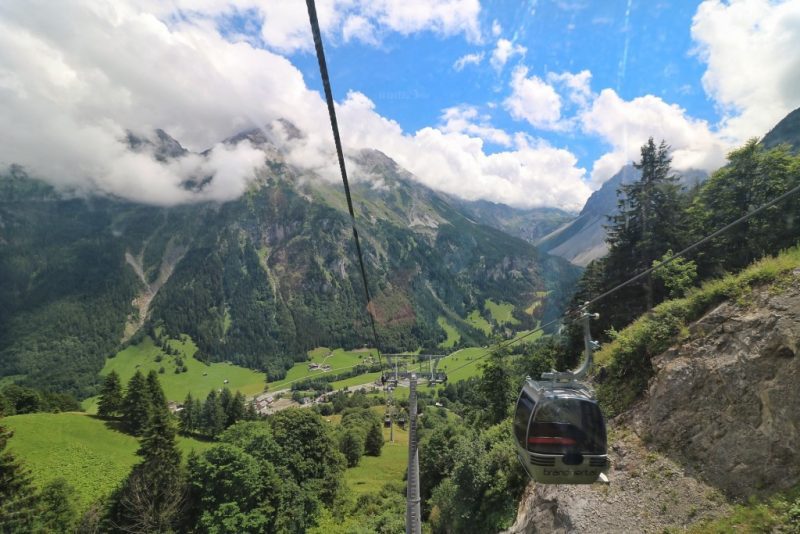
Cable car and alpine valley view in Austria
Mountain access in Austria can be beautiful and efficient, but scenic movement still requires timing, weather awareness, and realistic planning.

Where to Stay and What to Book

Accommodation choice has an outsized effect on solo trips. The wrong hotel or hostel can drain your energy. The right one can make you feel grounded and secure.

Best booking priorities for solo female travelers

  • Central or well-connected location
  • Strong recent reviews, especially from solo travelers
  • Safe-feeling arrival process
  • Reliable check-in communication
  • Good transport access, especially if arriving early or late

Do not let price alone decide. A slightly cheaper place far outside the center may cost you more in time, stress, and transport complexity. When traveling solo, convenience has real value.

Hotels vs hostels

Austria can work for both styles. If you want privacy, predictability, and calmer evenings, hotels are the easy choice. If you want affordability and occasional social contact, hostels can work well too, especially in major cities. The important thing is not choosing the cheapest option blindly. Read the reviews for noise, cleanliness, locker reliability, atmosphere, and location. A hostel can be social and practical. It can also be chaotic and draining. Reviews usually reveal the difference.

Austria Budget Expectations

Austria is not the cheapest country in Europe, but it also does not have to be a luxury-only destination. The main thing is to avoid planning based on fantasy bargain assumptions. If you try to force Austria into an ultra-cheap style without strategy, you usually end up trading away comfort and convenience in ways that hurt the trip.

Category Budget Style Mid-Range Style Comfort-Focused Style
Accommodation Hostels, simple guesthouses, early-booked rooms Well-rated central hotels or boutique stays Premium hotels with excellent location and amenities
Food Bakery breakfasts, simple lunches, selective restaurant meals Mix of cafés, local restaurants, and occasional splurges Frequent restaurant dining and iconic food stops
Transport Mostly trains and city transport Trains plus occasional taxis for convenience Flexible use of taxis, premium train bookings, or car rental
Activities Walking, viewpoints, selected museums Balanced sightseeing with some paid attractions More tours, premium experiences, scenic add-ons

The smartest budget move in Austria is not cutting everything to the bone. It is choosing your splurges carefully. Maybe that means spending more on a well-located room but keeping food casual on some days. Maybe it means taking trains instead of renting a car. Maybe it means limiting one high-cost mountain excursion so the rest of the trip stays comfortable.

Austria rewards travelers who budget strategically, not just aggressively.

Mistakes to Avoid

1. Assuming “safe country” means “no need to be careful”

This is one of the easiest mindset traps. A calm destination can lower your guard. Keep using the same smart solo-travel habits you would anywhere else.

2. Underestimating mountain conditions

Austria’s alpine beauty can make outdoor activities look deceptively accessible. Easy-looking photos do not tell you about route grade, sudden weather, or physical fatigue. Respect the environment.

3. Staying too far out to save money

Cheap accommodation in a bad location is often false economy for solo travelers. Pay attention to arrival ease, evening comfort, and transit access.

4. Trying to see too much too quickly

Austria is more enjoyable when you leave space for atmosphere. Rushing through it turns a graceful destination into a checklist.

5. Treating every town as interchangeable

Vienna, Salzburg, Innsbruck, Graz, and the scenic regions all deliver different moods. Choose places that match your travel style instead of selecting stops only because they appear on everyone else’s list.

Solo traveler reality check:

The best trip is not the one with the most impressive route on paper. It is the one where you feel confident, safe, and present enough to enjoy where you actually are.

Suggested Austria Itineraries

4-Day Austria Solo Trip

Best for: first-timers who want a short but polished trip.

  • Day 1: Arrive in Vienna, settle in, light city walk, relaxed dinner
  • Day 2: Vienna museums, central sights, café culture, evening stroll
  • Day 3: Train to Salzburg, old town exploration, scenic viewpoints
  • Day 4: Salzburg morning, optional fortress or gardens, depart

7-Day Austria Solo Trip

Best for: travelers who want cities plus scenery.

  • Days 1–3: Vienna as your main city base
  • Days 4–5: Salzburg for compact beauty and slower rhythm
  • Days 6–7: Innsbruck or a nearby scenic alpine area

10-Day Austria Solo Trip

Best for: travelers who want depth without over-rushing.

  • Days 1–4: Vienna with room for neighborhoods and major sights
  • Days 5–6: Salzburg plus a scenic day trip
  • Days 7–8: Innsbruck or lake-region stay
  • Days 9–10: Flexible scenic extension or return to Vienna

The key is not copying these exactly. The key is noticing the principle behind them: do not build a route that is more ambitious than the kind of energy you actually travel with.

Solo traveler sitting by a bright alpine lake in Austria
Scenic Austria is one of the country’s biggest rewards, but these moments land best when your route gives you enough time to enjoy them properly.

Experience-Based Advice for First-Time Solo Travelers

If Austria is your first solo trip, there is a good chance the emotional part of the experience will matter just as much as the logistics. That part is often left out of travel guides, but it should not be. Solo travel is not only about transport systems and safety summaries. It is also about how you manage your energy, emotions, confidence, and decision-making when everything depends on you.

Give yourself one easy first day

Do not land and immediately try to prove that you are a fearless traveler by overloading the schedule. One calm first day helps you orient yourself, understand the neighborhood, sort out transport, and settle your nervous system. Austria is perfect for that kind of beginning because many of its cities reward gentle exploration.

Eat properly, not just conveniently

Solo travelers sometimes fall into the habit of grabbing whatever is easiest. But a real meal can change the tone of a day. In Austria, food and café culture are part of the experience. Make time for that. Do not reduce every meal to fuel just because you are alone.

Use mornings intelligently

Mornings are often the best time for solo travelers to feel most relaxed. You are rested, cities are calmer, and your decision-making is better. Put your most important activity or most confidence-sensitive outing earlier in the day when possible.

Know your limit for solitude

Some travelers recharge alone. Others start to feel flat after too much solo time. There is no correct way to be a solo traveler. If you know you like occasional human contact, book a group tour, choose a social hostel for one stop, or plan a food activity with some built-in structure. Independence works best when it fits your personality instead of fighting it.

Do not compare your trip to content creators’ highlight reels

Austria is photogenic, which means you will see polished travel content everywhere. But a good solo trip is not a constant cinematic montage. Sometimes it is a smooth train ride, a quiet coffee, a simple walk through a clean old town, or the relief of realizing you handled a new place on your own. Those moments count. They are not lesser just because they look less dramatic online.

Leave room for weather and mood

Austria can be scenic in a dramatic way, and that means weather matters. Rain, cloud, snow, or visibility can affect your day more than in a destination built mainly around indoor sightseeing. Keep your itinerary flexible enough that one weather shift does not ruin your whole mental state. That flexibility is a mark of experienced travel, not weak planning.

Frequently Asked Questions

Is Austria good for a first solo female trip?

Yes, it is one of the stronger choices in Europe if you want a destination with good transport, clear city structure, scenic value, and a generally reassuring atmosphere.

Is Vienna safe for solo female travelers?

Vienna is widely regarded as one of the safer major European capitals for solo travelers. You should still stay alert in busy tourist and transport areas, especially at night.

Do I need a car in Austria?

Not for a classic first trip focused on major cities. Trains and city transport are usually enough. A car makes more sense for specific rural or scenic routes if you are comfortable driving them.

Is Salzburg worth visiting alone?

Absolutely. It is compact, scenic, easy to navigate, and ideal for travelers who want history and beauty without the scale of a larger capital.

What is the biggest mistake solo travelers make in Austria?

Trying to do too much while underestimating either transit time or the seriousness of mountain conditions. Austria works best when planned with realism.

Final Thoughts on Solo Female Travel in Austria

Austria is one of the most convincing examples of a destination that can feel both beautiful and manageable. That balance is exactly why it stands out for solo female travel. You get culture without overwhelming chaos, scenery without constant logistical pain, and enough structure that traveling alone often feels empowering rather than draining.

The best way to enjoy Austria is not to turn it into a race. Give yourself time to move well, not just quickly. Choose cities and regions that suit your real travel style. Respect both urban common sense and mountain reality. Spend a little more for convenience when it matters. Let the trip feel calm where it can, and intentional where it should.

If you do that, Austria is not just a safe destination to consider. It becomes one of the most satisfying solo travel experiences in Europe: elegant, scenic, practical, and deeply rewarding for travelers who want confidence and beauty in the same trip.

Scenic Hong Island beach in Krabi Thailand with clear water limestone cliffs and tropical shoreline

Krabi Day Trips Guide 2026: Best Island Tours, Smart Planning Tips, and Scenic Escapes Worth Your Time

Krabi is one of those places that quietly wins people over. It does not always shout for attention the way bigger resort hubs do, yet once you arrive, it becomes obvious why so many travelers end up talking about it with real affection. The coastline is dramatic, the sea changes color throughout the day, longtail boats cut across the water like part of the scenery, and almost every direction seems to lead to a beach, an island, a bay, or a limestone backdrop that feels too photogenic to be real.

But the real strength of Krabi is not only what sits inside the town itself. It is what Krabi gives you access to. If you base yourself here, you are in one of the best jump-off points in southern Thailand for island-hopping, beach days, snorkeling outings, scenic boat rides, and full-day escapes that can completely change the tone of your trip. Some day trips are easy and relaxed. Others are busy but iconic. A few are worth doing slowly even if most people rush them. And some places look ordinary in a list until you understand what the actual experience feels like once you are out on the water.

Why Krabi Works So Well for Day Trips

Some destinations look great on social media but become exhausting once you try to use them as a base. Krabi is not one of those places. One reason travelers enjoy it so much is because the region offers variety without forcing you into a stressful routine. You can stay in one area, wake up early, choose the kind of day you want, and still return in time for dinner, a beach walk, or a slow evening instead of collapsing from over-planning.

That flexibility matters more than people think. A successful day trip is not just about the place itself. It is about the total experience around it: the pickup process, the travel time, the crowd level, the pace, the cost, the ease of returning, and how you feel when the day ends. Krabi performs well in all of those areas because there are both classic tours and DIY options, both famous spots and quieter ones, and both fast-paced itineraries and slower scenic trips.

There is also a nice balance between beauty and practicality. You are not choosing only between “tourist trap” and “hidden gem.” In Krabi, even popular places can still feel worthwhile if you time them well. A destination can be famous and still beautiful. A crowded place can still be memorable if your expectations are realistic. An island can be touristy and still leave you with a strong emotional memory because the water, the cliffs, or the boat ride itself is simply that good.

This is why Krabi works for many types of travelers. Couples like the scenery and easy romantic atmosphere. Families appreciate the organized routes and accessible beach stops. Groups enjoy the range of tours and photo opportunities. Solo travelers often love that they can join a group trip without feeling awkward or go the private longtail route if they want a slower, more independent day.

In simple terms: Krabi is not only a destination. It is a launching point. If you use it properly, you can experience several different versions of southern Thailand from one base.

How to Plan Krabi Day Trips the Smart Way

The biggest mistake many travelers make in Krabi is assuming every island day trip is basically the same. They are not. Some are best for scenery, some for classic first-timer experiences, some for snorkeling, some for laid-back beach time, and some are more about the boat route and atmosphere than the destination itself. Before booking anything, it helps to decide what you actually want your day to feel like.

Start with your real travel goal

If your main goal is postcard beauty with a relatively easy outing, Hong Island is a strong candidate. If you want the famous name and the dramatic energy of a place everyone recognizes, Phi Phi delivers. If you like variety and want multiple stops in a single day, the 4 Islands route makes sense. If you care about boat scenery and geological drama more than swimming time, Phang Nga Bay deserves serious consideration. And if you are the kind of traveler who values atmosphere, slower beaches, and a less hectic feeling, Koh Lanta will appeal to you.

Do not book too many sea days back-to-back

This sounds obvious until you are actually there. Many travelers get excited and schedule two or three full boat days in a row. On paper, that sounds efficient. In reality, boat transfers, sun exposure, saltwater, early pickups, and changing weather can make consecutive island days more tiring than expected. A better rhythm is to alternate. Do one sea day, one lighter day, then another sea day if your trip is long enough.

Weather changes the mood of everything

Even beautiful destinations feel different depending on the sky, wind, wave conditions, and visibility. A calm bright day can make a basic island feel fantastic. A rougher day can make even a famous route feel rushed. That does not mean you should avoid booking; it means you should leave some mental flexibility in your expectations. Think of Krabi day trips as experience-based, not just checklist-based.

Private versus group tours

Private trips cost more, but they can completely change the quality of the experience. This is especially true in places where timing matters. Reaching a lagoon or beach earlier than the main wave of boats can make a huge difference in how a place feels. Group tours, on the other hand, are more affordable and simpler for first-time visitors. Neither option is automatically better. The right one depends on your budget, tolerance for crowds, and travel personality.

Choose your base wisely

Your Krabi base affects convenience. Ao Nang is popular because it is practical and connected. Railay has a special scenic atmosphere but requires more planning. Klong Muang feels quieter and more resort-oriented. If you value easy access to many tours, Ao Nang is usually the easiest. If you want a more peaceful stay and do not mind trading some convenience for atmosphere, Klong Muang and certain beach areas can feel more rewarding.

1. Hong Island: The Best Choice for Beauty Without Too Much Effort

Hong Island in Krabi Thailand with calm beach water and limestone cliffs
Hong Island is one of the most visually satisfying day trips from Krabi, especially for travelers who want beauty without an overly complicated route.

Among the classic day trips from Krabi, Hong Island often feels like the sweet spot. It is scenic enough to feel special, close enough to stay manageable, and varied enough to avoid feeling like a one-note beach stop. The area belongs to a beautiful island group and is known for its limestone cliffs, clear water, tropical fish, and especially the famous lagoon that gives Hong its strong visual identity. The source article describes Hong Island as one of the most beautiful island groups in the area and notes that the lagoon is especially memorable to explore by kayak or longtail boat. :contentReference[oaicite:1]{index=1}

What makes Hong Island appealing is not only the island itself but the overall rhythm of the trip. The journey can be relatively quick, especially if you start from the right area, and that means you spend less of your day in transit and more of it actually enjoying the destination. For travelers who do not want their entire day consumed by logistics, this is a major advantage.

The lagoon experience is the emotional centerpiece. There is something about entering a hidden-feeling green space surrounded by rock walls that makes the day feel more immersive than a standard beach excursion. Even people who are not usually obsessed with island-hopping often remember this part because it feels like moving through scenery rather than simply arriving at scenery.

Who Hong Island is best for

  • First-time visitors who want a strong all-around day trip
  • Couples who want a scenic but not overly hectic outing
  • Travelers with only a few days in Krabi
  • People who want something beautiful without committing to a very long transfer
  • Anyone who values clear payoff for moderate effort

What the day feels like in real life

If you go early, Hong Island can feel calm, almost polished. The colors stand out, the boats have not yet overwhelmed the mood, and you have time to appreciate the setting rather than immediately feeling herded through it. Later in the day, it can become busier, which does not ruin it, but it does change the experience. This is one of those places where timing matters. An early start does not just help with photos. It changes how personal the place feels.

The source article strongly recommends going early and notes that boats began arriving in force later in the morning. That is practical advice worth keeping because crowd timing here is not a small detail; it is one of the biggest factors affecting enjoyment. :contentReference[oaicite:2]{index=2}

Experience-based advice

If you are trying to decide between Hong Island and one of the bigger-name tours, ask yourself this: do you want a day that feels balanced or a day that feels iconic? Hong Island is the balanced answer. It may not have the same fame factor as Phi Phi or James Bond Island, but many travelers leave feeling more genuinely satisfied because the day is beautiful without being too intense.

It also works well if you are trying to preserve energy for the rest of your trip. You still get the Krabi island-hopping feeling, the limestone drama, and the tropical water, but with less of the heavy-duty “full-day mission” atmosphere that some other routes create.

2. Phi Phi Islands: Famous for a Reason, but Better With the Right Expectations

Phi Phi Islands in Thailand with longtail boats turquoise water and limestone cliffs
Phi Phi is one of the biggest-name day trips from Krabi, but the experience is best when you plan for the crowds and travel time.

Phi Phi is the sort of destination that carries its reputation ahead of it. Even travelers who know very little about Thailand have usually seen at least one image of its cliffs, beaches, or boats. The source article highlights Phi Phi Don and Phi Phi Leh as the best-known islands in the group and points out the role Maya Bay played in making the area famous. It also notes that day trips from Krabi usually last at least seven hours because of the travel time out and back. :contentReference[oaicite:3]{index=3}

That longer duration matters. Phi Phi is not the right choice if you want a quick and easy island outing. It is the right choice if you are willing to spend more time getting there in exchange for a destination that feels globally recognizable and visually dramatic. For many travelers, that trade-off is absolutely worth it. For others, it ends up being the most beautiful part of the day and the most tiring part of the day at the same time.

Why people still choose Phi Phi

The simplest answer is that it is stunning. The turquoise water, the amphitheater-like cliffs, the boat-filled bays, the sense of arriving at somewhere you have seen in travel dreams for years—Phi Phi has a cinematic quality that is hard to ignore. Even if parts of the experience are busy, the setting still feels special. That is important. Not every famous place retains that quality. Phi Phi usually does.

There is also emotional value in doing one “classic” trip on a Thailand itinerary. Some travelers later regret skipping the famous route in search of something quieter. If that sounds like you, it may be smarter to do Phi Phi properly and manage expectations than to avoid it and wonder about it later.

What to watch out for

The main challenge is over-romanticizing it. Phi Phi is not a secluded secret. It is a high-demand, high-visibility destination. That means there can be crowds, speedboat schedules, and moments that feel more organized than magical. The smartest travelers do not expect isolation. They expect beauty plus activity. Once you accept that balance, the day becomes easier to enjoy.

The source article also advises checking whether a Phi Phi tour actually includes Maya Bay rather than assuming it does. That kind of detail matters because people often book based on the overall destination name and then realize later that the stop they cared about most was not included. :contentReference[oaicite:4]{index=4}

Who should choose Phi Phi

  • Travelers who want at least one famous, high-impact island day on their trip
  • People who do not mind a longer full-day outing
  • Photographers and first-timers who want dramatic visuals
  • Anyone who enjoys energetic destinations more than slow beach isolation

Who may want something else

  • Travelers who tire easily on boats
  • People who strongly dislike crowds
  • Those looking for a slower and quieter mood
  • Visitors with only one short day to spare who want maximum ease
Phi Phi is not the “relax and do nothing” option. It is the “I want to see something iconic and I understand that I am not the only person who wants that” option.

3. The 4 Islands Tour: Best for Variety, Swimming, and a Classic Krabi Sampler

Chicken Island on the Krabi 4 Islands Tour in Thailand
The 4 Islands route is ideal for travelers who want multiple stops, classic Krabi scenery, and a full but manageable day.

The 4 Islands Tour is often one of the easiest recommendations for people who say, “I want to do an island trip, but I do not know which one.” That is because it gives you range. The source article identifies the classic stops as Koh Poda, Chicken Island, Tup Island, and Phranang Cave Beach, and describes the day as a full outing that usually includes lunch. :contentReference[oaicite:5]{index=5}

That mix is what makes the route so popular. You are not putting all your expectations on one beach or one bay. Instead, you move through different island moods: scenic stop, beach stop, snorkeling stop, iconic formation, and the feeling of seeing several pieces of Krabi’s coastal character in a single day. For many travelers, especially first-timers, that feels satisfying because the day never becomes visually repetitive.

Why the 4 Islands route works

Sometimes the most memorable travel days are not the ones with the single biggest attraction. They are the ones with good momentum. This route has that. There is enough movement to keep the day interesting, but not so much that it becomes exhausting. You get the sensation of doing a lot without necessarily feeling like the day was wasted on transfers.

It is also one of the more social-friendly day trips. If you are traveling with friends, siblings, or a mixed-age group, this route tends to work well because there are different moments for different energy levels. Some people want to snorkel more, some want to take photos, some want to sit on the beach, and some simply want to enjoy being out on the water. The 4 Islands format supports all of those personalities better than a more singular destination might.

What Chicken Island really represents

Chicken Island often stands out because the rock formation is instantly recognizable and slightly playful in a way that makes it memorable. It gives the day a visual anchor. Even if not every stop on the route becomes your favorite, there is a good chance at least one part of the day will. That is the advantage of variety-based tours. They lower the risk of disappointment.

When this tour is the smartest choice

  • If you have only one sea day in Krabi and want a broad introduction
  • If your group cannot agree on just one destination style
  • If you enjoy snorkeling, beaches, and scenic island hopping in one package
  • If you want a classic Krabi experience that feels efficient

Potential downside

Because it is such a standard and popular route, it can feel busy, especially during peak periods. But unlike with some single-destination trips, busyness is easier to tolerate here because you are moving across several spots rather than spending the whole day waiting for one place to feel calmer.

The source article specifically recommends a version that includes sunset and night snorkeling, which is a nice reminder that not all 4 Islands tours are identical. If you like the core idea but want something more distinctive, look for versions with a slightly different timing structure rather than choosing purely by price. :contentReference[oaicite:6]{index=6}

4. Phang Nga Bay, James Bond Island, and Koh Panyee: Best for Scenery Beyond the Beach

James Bond Island in Phang Nga Bay Thailand with limestone rock formation
Phang Nga Bay is not just about a famous rock. It is one of the most scenic boat landscapes you can experience from Krabi.

Phang Nga Bay is a good example of why travelers should avoid judging a day trip by one famous landmark alone. Many people hear “James Bond Island” and immediately imagine a quick photo stop wrapped in tourist traffic. The source article openly admits that James Bond Island can feel touristy, but it also argues that the boat journey through the bay is so scenic that the trip is still worth doing. That is exactly the right way to think about it. :contentReference[oaicite:7]{index=7}

The true value of Phang Nga Bay is the overall environment. This is a landscape day as much as an island day. Limestone towers rise out of the water, the route feels cinematic, and there is a sense of moving through geological drama rather than simply moving from beach to beach. If your favorite travel memories often come from transport routes, viewpoints, and landscapes that feel impossible to design, this trip may suit you better than one focused mostly on sand and swimming.

James Bond Island is not the whole story

Yes, people want the photo. Yes, it is famous. But if you reduce the day only to that rock, you miss the actual strength of the trip. The bay itself is the experience. The motion of the boat, the layered cliffs, the shifting light, and the feeling of entering a place with a different kind of coastal atmosphere are what give this outing its real value.

Koh Panyee adds cultural texture

One thing that separates this trip from some other Krabi sea days is that it includes a human story as well as natural beauty. The source article describes Koh Panyee as a stilted village with hundreds of houses, restaurants, community structures, and a long history that began with families who settled there centuries ago. That gives the day another layer. It is not purely visual. There is also a sense of place, adaptation, and local life. :contentReference[oaicite:8]{index=8}

For travelers who get bored when every island outing becomes “swim, sun, lunch, repeat,” this matters. It makes the day feel more rounded and more intellectually interesting. You are not only looking at beautiful scenery. You are also seeing how people built a community in a striking marine environment.

Who should choose this trip

  • Travelers who value dramatic scenery and boat routes more than beach time
  • People who like a mix of nature and local culture
  • Photographers who want distinctive landscapes
  • Visitors who already plan to do one beach-focused island day and want contrast

Good expectation setting

If you go expecting the world’s quietest hidden paradise, you may be disappointed. If you go expecting an exceptionally scenic day on the water with a famous stop, strong geological scenery, and a culturally interesting lunch stop, you are much more likely to leave happy.

The source article also notes that small-group speedboat options can improve the experience by helping avoid the worst crowd congestion at major stops. That is practical advice worth remembering because this is a route where pacing and timing influence enjoyment significantly. :contentReference[oaicite:9]{index=9}

5. Koh Lanta: Best for Travelers Who Want a Slower Mood and Better Beach Energy

Long Beach on Koh Lanta Thailand with wide sandy beach and calm sea
Koh Lanta appeals to travelers who care less about hype and more about atmosphere, space, and a calmer beach rhythm.

Not every great day trip has to feel busy or iconic. Sometimes the best escape is the place that lets you breathe a little deeper. Koh Lanta stands out in the source article for being less touristy than many other Thai islands and for having long stretches of empty beaches. It also notes that the island is easy to access from Krabi and that while it deserves several days, it can still be visited as a day trip. :contentReference[oaicite:10]{index=10}

That combination is what makes Koh Lanta especially interesting. It is not just another stop on a standard island circuit. It feels more like a change in emotional atmosphere. Instead of the “arrive, take the photo, move on” rhythm, Koh Lanta encourages slowing down. The experience is less about collecting moments and more about settling into one.

Why some travelers love Koh Lanta more than the famous routes

Because it feels more livable. Some destinations are thrilling for half a day but would feel exhausting for a longer stay. Koh Lanta often creates the opposite reaction. Even on a short visit, travelers can imagine staying longer. That says a lot about the place. It has enough beauty to impress you, but also enough calm to make you comfortable.

This matters if your trip style leans toward atmosphere over adrenaline. Not everyone wants the most famous boat route or the most photographed island angle. Some people want an island where the beach feels spacious, the mood feels unforced, and the day does not feel like a performance. Koh Lanta does that well.

When Koh Lanta is the right choice

  • If you are tired of high-energy tourist stops
  • If you value beach time more than landmark-checking
  • If you already plan to do Phi Phi or the 4 Islands route and want balance
  • If your travel style is slow, reflective, and less crowd-driven

Important realism

The one challenge is that Koh Lanta is sometimes better as an overnight destination than a rushed day trip. If you visit only for a day, you are tasting the place rather than fully experiencing it. That does not mean the day trip is a bad idea. It just means your mindset should be different. Instead of trying to “cover” Koh Lanta, aim to enjoy its atmosphere.

In many ways, this is the perfect choice for second-time visitors to the Krabi region or for people who already know they prefer calmer destinations. It may not always be the highest-energy answer, but it can be the most emotionally rewarding one.

Which Krabi Day Trip Is Best for Your Travel Style?

Day Trip Best For Main Strength Possible Drawback
Hong Island Balanced travelers, couples, first-timers Beautiful scenery with manageable effort Can get busier later in the day
Phi Phi Islands Travelers who want something iconic Famous dramatic scenery and high-impact visuals Longer day, more crowds, more energy required
4 Islands Tour Groups, snorkelers, travelers who want variety Multiple stops and classic Krabi island-hopping feel Very popular route
Phang Nga Bay Landscape lovers and photographers Outstanding boat scenery and a more layered experience Famous stops can feel touristy
Koh Lanta Slow travelers and atmosphere seekers Calmer beaches and more relaxed island mood Often better with more time than just a day

If you only have one day trip, Hong Island or the 4 Islands route is often the smartest call depending on whether you prefer balance or variety. If you have two, pairing one classic route with one calmer or more scenic contrast works well. For example, Phi Phi plus Koh Lanta gives you fame and atmosphere. Or Hong Island plus Phang Nga Bay gives you island beauty and geological drama.

Mistakes to Avoid When Booking Krabi Day Trips

1. Choosing only by price

The cheapest option is not always the best value. A slightly better-timed tour, a smaller group, or an earlier departure can massively improve how a day feels. The difference between a trip you remember fondly and one you merely survive is often not a luxury upgrade. It is timing and pacing.

2. Ignoring how much travel energy you actually have

People often book a long day because it sounds exciting, then realize halfway through that they are already tired from the previous days of the trip. Be honest. If you are sun-sensitive, get seasick easily, or tend to fade after lunch, do not choose the most aggressive itinerary just because it sounds impressive.

3. Treating every island like a beach day

Some routes are really about scenery. Some are about movement and multiple stops. Some are about mood. If you expect a perfect swimming day from a trip that is better understood as a scenic boat excursion, disappointment becomes more likely.

4. Underestimating crowd timing

In Krabi, an early departure is not just for serious photographers. It can completely transform the atmosphere of the destination. Places feel more spacious, the light is often better, and you get more genuine enjoyment before the busiest arrival window.

5. Booking too many “must-dos” and leaving no breathing room

One of the most common travel planning errors is thinking that a short stay means every day must be packed. In reality, part of Krabi’s appeal is the ability to enjoy both activity and rest. One strong day trip plus one relaxed beach day can be more memorable than two rushed sea days and a tired departure morning.

6. Not checking what is actually included

Some tours include lunch, hotel pickup, snorkeling gear, or extra stops. Others do not. Do not assume two tours with similar names offer the same overall value. Read carefully and compare the experience, not only the headline destination.

Best practical mindset: book the day you are most likely to enjoy, not the day that sounds most impressive in a rushed itinerary conversation.

Suggested Krabi Day Trip Itineraries

Option A: You only have 2 full days in Krabi

Day 1: Hong Island or 4 Islands Tour
Day 2: Light local day, Railay time, beach afternoon, or spa and dinner

This is the smartest structure for travelers who want one strong outing but do not want the trip to feel rushed. It lets Krabi remain enjoyable instead of turning it into a transport schedule.

Option B: You have 3 full days and want balance

Day 1: Hong Island
Day 2: Relaxed day in Ao Nang, Railay, or Klong Muang
Day 3: Phang Nga Bay or Phi Phi

This structure starts with something scenic but manageable, gives your body a rest, then ends with a bigger or more dramatic outing once you know your energy level and sea comfort.

Option C: You have 4 to 5 days and love island scenery

Day 1: 4 Islands Tour
Day 2: Slow recovery day with massage, beach, and sunset dinner
Day 3: Phi Phi Islands
Day 4: Flexible local day or Thai cooking class
Day 5: Hong Island or Koh Lanta depending on mood

This works well because it mixes classic sightseeing with rest and preserves your ability to actually enjoy the later days.

Option D: You want a more mature, less rushed experience

Day 1: Hong Island by private longtail if budget allows
Day 2: Nothing ambitious—good lunch, a scenic beach, reading time, or a slow walk
Day 3: Koh Lanta or Phang Nga Bay depending on whether you prefer atmosphere or scenery

This itinerary is often better for couples, slower travelers, and anyone who has outgrown the urge to squeeze every famous stop into one short stay.

Practical Travel Tips and Experience-Based Advice

Go earlier than you think you need to

Even if you are not obsessed with sunrise starts, earlier departures usually pay off in Krabi. The sea can be calmer, the light is softer, the temperatures are easier, and many of the most famous stops still feel more open before the main rush arrives.

Do not depend entirely on perfect conditions

Southern Thailand is beautiful, but it is still real life. Boat schedules can shift, conditions can change, and an island may feel different from the image you saved months earlier. Build flexibility into your expectations. This usually improves satisfaction more than any other planning trick.

Dress for the whole day, not just the photo moment

Many travelers plan outfits for the image and forget the boat, the heat, the salt, the transfers, and the sun exposure. Comfortable clothes, dry bags, reef-safe sun protection, and something light to cover up with after swimming will improve your day far more than a perfectly styled arrival look.

Bring less, but bring the right things

  • Waterproof phone pouch
  • Light towel or quick-dry cloth
  • Sunscreen and sunglasses
  • Cash for small purchases or fees
  • Dry change of clothes if you hate staying damp
  • Basic motion-sickness prep if you are unsure on boats

Respect your own pace

Not every traveler enjoys island days the same way. Some want to jump in every time the boat stops. Some want to sit quietly and watch the rock formations pass by. Some care about lunch. Some care about snorkeling. Let yourself enjoy the day according to your actual preferences instead of copying the loudest travelers on the boat.

Use Krabi for contrast, not only activity

One reason people fall for Krabi is that it offers multiple tones of travel in one region. You can have a big scenic sea day, then a calm beachfront meal the next day. You can do something famous and something quiet in the same trip. Try to preserve that contrast. It is part of what makes Krabi feel richer than a destination that only offers one kind of experience.

Frequently Asked Questions About Krabi Day Trips

Which Krabi day trip is best for first-timers?

Hong Island and the 4 Islands Tour are the safest overall choices for first-timers because they deliver strong scenery without demanding the longest, most intense day.

Is Phi Phi worth it as a day trip from Krabi?

Yes, for many travelers it is worth it, especially if seeing one iconic, world-famous destination matters to you. It is just important to go in with realistic expectations about crowds and travel time.

What is the least rushed feeling day trip?

Hong Island can feel balanced and rewarding, while Koh Lanta tends to feel calmer in overall atmosphere. The best answer depends on whether you want scenic impact or relaxed beach energy.

Should I do a private longtail or a group tour?

Choose private if timing, comfort, and flexibility matter a lot to you and your budget allows it. Choose group if you want simplicity and better value. Neither is wrong. It depends on what kind of day you want to buy.

How many island day trips should I do in one Krabi stay?

For many travelers, one or two is ideal. More than that can still work, but only if you pace the rest of the trip well and do not stack too many early boat departures back-to-back.

Is Krabi better than just staying in Phuket for island tours?

For travelers who prefer a more relaxed base with strong access to beautiful routes, Krabi is often a better fit. It depends on your travel style, but Krabi frequently feels more scenic and less overstimulating.

Final Thoughts: Which Krabi Day Trip Will You Remember Most?

The honest answer is that the “best” Krabi day trip is not the same for everyone. Some travelers will remember Hong Island because it felt balanced and beautiful. Some will remember Phi Phi because it finally matched the dream they had built from years of travel photos. Some will remember the 4 Islands route because it packed so much into one satisfying day. Some will remember Phang Nga Bay because the boat ride itself felt like moving through a film set. And some will remember Koh Lanta because it gave them something many destinations fail to offer: space to slow down.

That is the real power of Krabi. It lets you choose your version of southern Thailand. You can go famous, calm, scenic, varied, active, or reflective. The key is not choosing the trip that sounds best in someone else’s story. It is choosing the trip that fits the kind of traveler you actually are right now.

If you are planning carefully, want real value from your time, and prefer experiences that feel rewarding instead of random, Krabi is one of the strongest bases you can choose in Thailand. Use it well, pace it wisely, and your day trips will feel less like rushed add-ons and more like the highlights of the trip itself.

The smartest Krabi itinerary is not the one with the most stops. It is the one that gives you the strongest memories without draining the joy out of the journey.

Feel Free To Write Socmedia.net

Get In Touch

Have questions about travel guides, budget travel tips, destination recommendations, or travel experiences? Feel free to send us a message anytime. We’re always happy to connect with fellow travelers and adventure seekers. Let’s make your next trip smarter, easier, and more exciting! ✈️

GET UPDATES